Ethnic cuisine: characteristics, secrets, and main ingredients
Ethnic cuisine: origins and ingredients of the most popular specialties
Indian, Japanese, Mexican, but also Moroccan and Lebanese: ethnic cuisine is now increasingly widespread, thanks to techniques, combinations, and secrets that tell the gastronomic traditions of cultures around the world through authentic ingredients, distinctive spices, and dishes rich in history and culture.
Among the most significant gastronomic phenomena of recent decades is the spread of ethnic cuisine, today increasingly present in Italians’ eating habits. According to a Nielsen survey, as early as 2018, 42% of people eating out (equal to around 14 million Italians) chose ethnic restaurants, with one quarter doing so at least once a week. At the same time, the phenomenon has also become firmly established in Italian households — for example, through the everyday use of ingredients such as curry, ginger, turmeric, and basmati rice in daily cooking. These figures show how ethnic cuisine is no longer simply a trend, but an increasingly consolidated presence in our food choices.
Moreover, ethnic cuisine is no longer considered just an alternative to traditional recipes, but also a way of experiencing food as an opportunity for discovery, connection, and sharing. Every culture has built its own gastronomic identity based on available resources, climate, trade influences, and historical contaminations, giving rise to an extraordinarily rich culinary heritage in which simple ingredients can be transformed into complex dishes thanks to techniques and combinations passed down from generation to generation.
Often, these traditions do not remain isolated. This is the case of fusion cuisine, which consists of carefully combining elements, pairings, and ingredients from different gastronomic traditions, such as the use of Japanese cooking techniques with typical Latin American ingredients (for example, raw fish combined with citrus fruits and chili peppers), or the combination of pasta and grains with spices and sauces typical of the Asian continent.
This intertwining of traditions makes contemporary cuisine a dynamic and creative field, but for this very reason, it is essential to have a solid understanding of the basic techniques, main ingredients, and typical pairings of individual cultures to create balanced and conscious combinations without ever losing sight of authenticity and harmony of flavors.
What is ethnic cuisine? Definition and characteristics
When we talk about ethnic cuisine, we generally refer to a very broad set of gastronomic traditions belonging to cultures different from one’s own. It is a relative concept, because what is defined as “ethnic” always depends on geographical and cultural perspective: a dish considered everyday food in one country may be perceived as exotic in another.
The distinguishing features of ethnic cuisine are therefore closely linked to these fundamental characteristics and represent its structural foundation. The first element is the strong connection with the territory of origin, which directly influences the choice of raw ingredients and preparation techniques. Every cuisine arises from adaptation to specific climatic conditions, the availability of local ingredients, and historical needs related to preservation and nourishment. It is precisely this connection with the territory that allows every culinary tradition to develop its own unique and recognizable identity.
Closely connected to this is the use of highly distinctive and identity-defining ingredients, which form the heart of ethnic cuisine. Spices and aromatic herbs such as curry, turmeric, ginger, and coriander, but also fermented ingredients like miso or kimchi, or creamy components such as coconut milk or ghee, contribute to creating complex aromatic profiles capable of immediately defining the origin of a dish and evoking specific cultures even through scent alone.
However, to achieve this result, these elements are rarely used on their own, but are combined according to precise balances of flavor and specific preparation techniques that vary from one tradition to another. For example, spices are often toasted to enhance their aromas, fatty bases such as coconut milk or ghee are used to balance flavors (especially in recipes that include spicy ingredients) and bind tastes together, while fermented ingredients are often added to provide a delicate touch of umami that does not overpower the other ingredients in the dish, but instead enhances them.
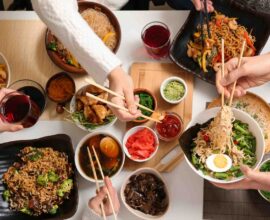
Traditional preparation techniques can also vary considerably from one culinary tradition to another and have a decisive impact on the final result. Asian cuisine, for instance, favors quick, high-temperature cooking methods such as wok cooking, which preserves the freshness of ingredients; Indian cuisine instead makes use of the tandoor (a sort of cylindrical clay “oven” capable of reaching very high temperatures quickly), as well as long marinades that intensify the flavors of the ingredients; many Middle Eastern and African cuisines make extensive use of slow-cooking and stewing methods designed to allow spices to gradually release their aromas, giving dishes a more persistent and layered aromatic profile.
Finally, there is also the cultural transmission of recipes, which largely takes place through oral or practical methods within families, communities, or local settings. Recipes are not simply written instructions, but a collection of gestures, timing, rituals, and empirical knowledge learned through observation and repetition.
Ethnic cuisine, therefore, cannot be reduced to a collection of “different” or exotic dishes, but represents a true and complex cultural system in which every element — from ingredients to techniques, from flavors to rituals — helps tell the story of a people and their relationship with food.
Ethnic cuisine: what are the world’s most popular gastronomic traditions?
Every ethnic cuisine represents an autonomous and complex gastronomic system, internally layered according to regional specificities and developed over time by adapting not only to available resources, but also to the historical, commercial, and religious influences of its place of origin. Discovering the world’s most appreciated and widespread gastronomic traditions can therefore become not only a way to add color, flavor, and variety to the daily diet, but also a way to “travel” and discover the world without ever leaving the table.
Indian cuisine: colors, spices, and slow cooking
Indian cuisine is one of the richest and most layered in the world, characterized by enormous regional variety that changes radically from north to south. In the north, richer and creamier dishes prevail, often based on bread (naan, roti) and meats cooked in traditional ovens such as the tandoor, while in the south, lighter preparations based on rice, legumes, and coconut milk are more common. Among the most widely used ingredients are different varieties of lentils (dahl), chickpeas, basmati rice, yogurt, ghee, onions, garlic, and a wide range of spices used individually or in blends, such as cumin, coriander, cardamom, cloves, cinnamon, and chili pepper.
Alongside well-known dishes such as biryani, chicken tikka masala, and dal tadka, there are preparations deeply rooted in local tradition, such as sarson da saag (mustard greens slowly cooked with spices and butter), pani puri (street food made of crispy hollow spheres filled with spiced water and potatoes), and khadi pakora, a soup made with yogurt and legume fritters.
One of the fundamental “secrets” in preparing these dishes is the tadka technique, namely toasting spices in hot fats such as ghee or oil at the beginning of cooking, allowing the aromas to fully develop before the other ingredients are added. Another key element is slow, layered cooking, which allows the spices to blend completely with the dish’s base, creating depth and aromatic complexity.
Japanese cuisine: simplicity, precision, and aesthetics
Japanese cuisine stands out for its simplicity, precision, and extremely refined aesthetics, where every element serves a precise function both in terms of flavor and visual presentation. Main ingredients include rice, fresh or raw fish, seaweed (nori, kombu, wakame), soy in its many forms (sauce, miso, tofu), as well as dashi broth, which represents the fundamental aromatic base of countless preparations because it creates depth of flavor without weighing the dish down, maintaining balance, clean taste, and lightness.
At the core of every preparation lies the philosophy of “less but better”: few ingredients, but carefully selected and handled with extreme care. The technique of slicing fish for sashimi is an emblematic example, where precision and craftsmanship directly influence texture and flavor.
Alongside well-known dishes such as sushi, sashimi, ramen, and tempura, there is a universe of less “globalized” preparations that are nevertheless highly representative of Japanese culture, such as okonomiyaki (a savory pancake filled with ingredients), yakitori (grilled chicken skewers with soy-based sauces), katsu curry (breaded cutlet served with mild Japanese curry), and nabe, a communal stew cooked directly at the table.
Mexican cuisine: simple, nutritious, and full of flavor
Mexican cuisine is one of the world’s most vibrant and identity-driven cuisines, characterized by a strong connection with pre-Columbian culture and popular tradition. Main ingredients include corn (the absolute basis of the diet), beans, different varieties of chili peppers, tomatoes, avocado, lime, cacao, and a large variety of aromatic herbs.
In addition to famous dishes such as tacos, burritos, enchiladas, and guacamole, there are much more complex and regional traditional preparations such as mole poblano, a dense and layered sauce that can contain up to twenty ingredients including spices, chili peppers, and cacao; tamales, corn dough filled with meat or vegetables and steamed in corn or banana leaves; and pozole, a traditional soup made with nixtamalized corn and meat, often eaten during religious celebrations and festivals.
A central element of Mexican cuisine is the nixtamalization technique, an ancient process involving cooking corn in water and lime to improve digestibility and nutritional value while also profoundly changing its texture. Another interesting aspect is the constant search for balance between intensity and freshness: the heat of chili peppers is balanced by the acidity of lime and the natural sweetness of ingredients such as corn and tropical fruit.
Thai cuisine: harmony of flavors, textures, and aromas
Thai cuisine is world-famous for its unique ability to combine all four main flavors (sweet, salty, sour, and spicy) within every single dish. This is made possible by the use of traditional ingredients like coconut milk, lemongrass, galangal, lime, fresh and dried chili peppers, fish sauce, palm sugar, and numerous aromatic herbs such as Thai basil and coriander. Every dish must offer a complete sensory experience in which flavors continuously alternate and balance one another. Fresh herbs are seldom cooked for long periods, but added at the end to preserve aromatic intensity and freshness.
In addition to beloved dishes such as pad thai, green curry, and massaman curry, Thai cuisine includes many lesser-known regional preparations that are nevertheless very widespread locally, such as som tam (green papaya salad pounded with lime and chili), tom yum goong (hot and sour soup with shrimp and aromatic herbs), and khao soi, a northern soup made with crispy noodles and coconut curry.
Middle Eastern cuisine: the richness of simplicity
Middle Eastern cuisine is one of the oldest and most widespread in the world, based on simple but extremely aromatic ingredients and a strong culture of sharing. Main ingredients include chickpeas, lentils, bulgur, couscous, yogurt, tahini (a creamy preparation made from blended sesame seeds), eggplants, garlic, olive oil, and spices such as cumin, cinnamon, paprika, and sumac.
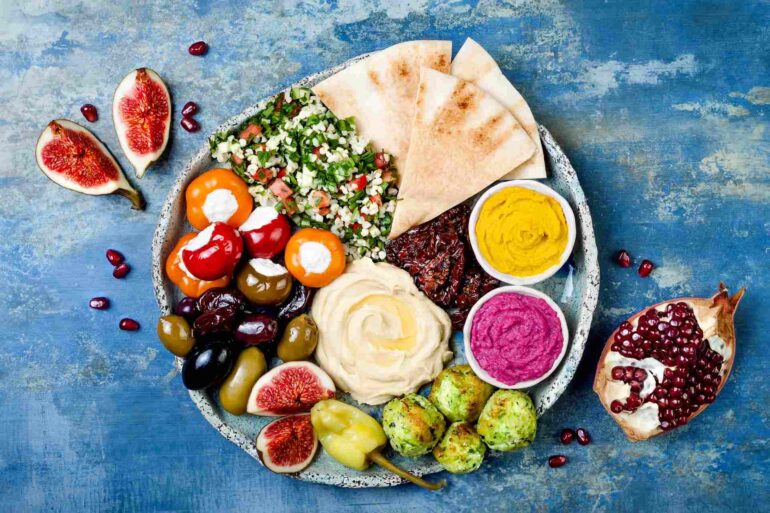
Today, everyone knows iconic dishes such as hummus, falafel, kebab, and shawarma, but many other preparations remain mainly regional, such as mujaddara (rice and lentils with caramelized onions), fattoush (salad with toasted pita bread and sumac), mutabbal (smoked eggplant cream), and kibbeh (meat and bulgur croquettes, often fried or baked).
A distinctive element of this ethnic cuisine is its ability to transform humble ingredients into extremely rich dishes through the balance of spices, acidity, and textures. Creamy sauces such as hummus and tahini provide softness, while lemon, pomegranate, and fresh herbs add contrast and liveliness. Conviviality is also central: many dishes are served in the center of the table and shared among diners.
The flavors and aromas of ethnic cuisine at Forte Village Resort
Discovering the best of ethnic cuisine is now possible at Forte Village Resort, a prestigious five-star resort nestled in the greenery of Sardinia’s southern coast, just steps away from some of the island’s most beautiful beaches and less than an hour’s drive from Cagliari. The resort features 21 restaurants, including one specializing in Indian cuisine by chef Sandeep Singh and a Brazilian restaurant specializing in spit-roasted meat grilled over charcoal slabs, in keeping with tradition.
Alongside these are also a wide selection of gourmet and Michelin-starred restaurants, such as the prestigious Terrazza San Domenico managed by Michelin-starred chef Massimiliano Mascia, Forte Gourmet, and Belvedere by Giuseppe Molaro, all of which offer guests cuisine that is deeply innovative while still rooted in tradition, often enriched with ingredients sourced from local cultivation, such as Sardinian PDO spiny artichokes, aromaticlocal honey, delicate Sardinian garlic, saffron, and salicornia.
The result is a complete gastronomic experience that combines excellence, local tradition, and flavors from around the world in a single destination.
Do you want to discover ethnic cuisine and enjoy a dream vacation in an authentic paradise? Discover Forte Village Resort in Sardinia