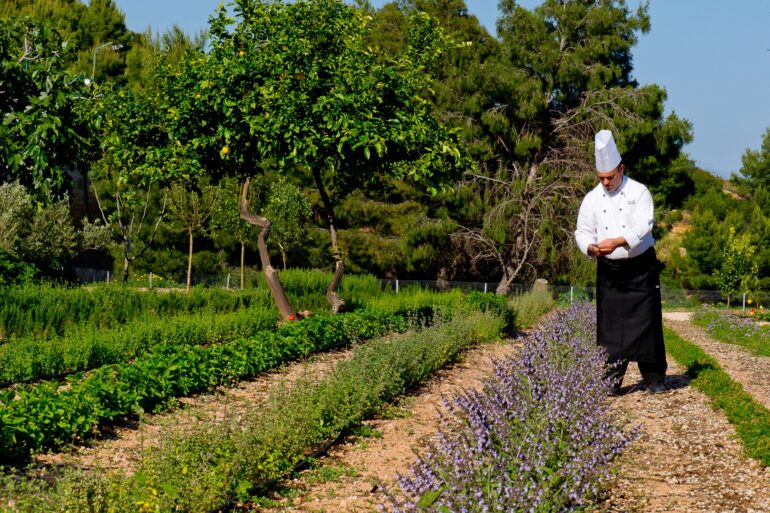
Synergistic garden: what it is, how it works, and how it supports biodiversity
Synergistic garden: what it is and the fundamental principles of companion planting
Born from the observation of natural cycles and the behavior of plants in wild environments, the synergistic garden creates a true living ecosystem, where each plant species interacts positively with the others, forming a network of mutual support.
Imagine a garden in which every plant grows not only for itself but in perfect harmony with the surrounding vegetation, where every leaf, root, and flower collaborates to create a natural balance that enriches the soil, strengthens crops, and attracts beneficial insects. This is the essence of a synergistic garden: a system in which nature is not merely cultivated, but listened to, observed, and supported.
There are no invasive chemical interventions or forced growth practices here. Everything is based on understanding the relationships between plants, soil, microorganisms, and beneficial fauna, creating a microcosm in which productivity and biodiversity reinforce one another. In a synergistic garden, every decision, from plant pairings to spatial arrangement, is guided by the pursuit of harmony and the optimal use of natural resources.
Some plants protect others from pests, others enrich the soil, while certain species attract pollinating insects essential to the garden’s life cycle. This approach not only yields more flavorful and nutritious vegetables, but also transforms gardening into an educational, sensory, and deeply rewarding experience, bringing people closer to an understanding of nature’s delicate balances.
The method draws inspiration from natural ecosystem models, where biodiversity is the key to resilience: every plant plays a precise role, every combination generates mutual benefits, and human intervention becomes part of an ongoing dialogue with the environment rather than a unilateral command. The result is a garden that produces not only food, but also life – supporting beneficial wildlife and ecological stability, and demonstrating how natural cooperation among species is the most effective strategy for achieving sustainable abundance.
How a synergistic garden works: the key principles and dynamics
Managing a synergistic garden is based on a few fundamental principles: constant observation, careful selection of plant species, respect for natural cycles, and targeted, yet never invasive, interventions.
Everything begins with soil selection, which is far more than a simple support for roots. Soil is a living organism, populated by bacteria, fungi, earthworms, and other microorganisms that ensure fertility and structure. To keep it balanced, natural techniques such as organic mulching, compost addition, and maintaining plant cover are used to reduce erosion and preserve moisture.
Well-managed soil allows roots to grow deep, enabling plants to nourish themselves autonomously and reducing the need for chemical inputs. The garden thus becomes a self-sufficient system in which nutrients and water are used efficiently.
Companion planting in a synergistic garden: how plants support one another
At the heart of the synergistic garden lies companion planting, the practice of growing plants close together in a strategic way so they can support each other. This works because some plants form natural barriers against pests and diseases, others enrich the soil with essential nutrients, and others modify local microclimates by providing shade or retaining moisture for more delicate species.
The overall effect is a miniature ecosystem in which plants collaborate, reducing the need for external interventions and promoting biodiversity. Pollinators, natural pest predators, and beneficial microorganisms find an ideal habitat, further contributing to the garden’s health.
In particular, companion planting succeeds because each plant assumes a specific role: some protect neighboring plants, others optimize space and nutrient use, while others improve local environmental conditions. Cultivation thus becomes more productive, sustainable, and harmonious, transforming the garden into a balanced and self-sufficient system.
Effective examples of synergistic companion planting
A classic example of effective companion planting is tomatoes grown alongside basil and carrots. Basil’s strong aroma helps repel insects harmful to tomatoes, while carrots grow between tomato roots without competing for nutrients or water. This combination produces healthier tomatoes, lush basil, and well-developed carrots, efficiently using vertical soil space.
Another successful combination includes cabbage, onions, and lettuce. Onions release natural compounds that deter cabbage pests, while lettuce acts as ground cover, retaining moisture and limiting weed growth. Nearby plants protect one another and enhance overall garden productivity.
A well-known example of synergy is the “Three Sisters” – beans, corn, and squash – used for centuries by Indigenous American cultures. Corn provides support for climbing beans, beans enrich the soil by fixing nitrogen, and squash, with its broad leaves, protects the soil from evaporation and creates a humid microclimate beneficial to the other two plants.
Other effective combinations include spinach and strawberries, where spinach grows on different soil layers, provides partial shade, and helps maintain moisture, protecting strawberries from water stress. Cucumbers, corn, and sunflowers also work well together: sunflowers act as vertical supports for climbing cucumbers, while corn creates shaded areas and wind protection, optimizing space in smaller gardens.
Finally, a particularly useful combination is radishes, peas, and leafy greens. Peas fix nitrogen in the soil, enriching it, while radishes and greens occupy different layers, avoiding direct competition. Radishes, with their rapid growth cycle, can be harvested early, leaving space and nutrients for neighboring crops.
Synergistic garden layout: tips for effective space planning
To create a truly productive and harmonious synergistic garden, crops must be organized strategically, considering plant height, root depth, seasonal rotation, and the creation of favorable microclimates. Raised beds (at least one meter wide) are ideal to improve drainage and soil aeration. Taller plants should be placed at the back, shorter ones at the front, alternating deep and shallow roots to reduce competition for water and nutrients. In addition, soil should always be covered with organic mulch to retain moisture and protect microfauna.
Crop rotation is equally important. Alternating legumes, leafy vegetables, and fruiting plants helps maintain soil fertility. Planting leafy greens after legumes allows crops to benefit from naturally fixed nitrogen. Integrating wildflowers and aromatic plants among main crops protects plants from pests and attracts pollinators. Planning rotation according to seasonal cycles preserves soil fertility and reduces disease risk.
Creating microclimates and habitats for beneficial fauna is another essential aspect. Placing wildflowers along bed edges, leaving small areas for insects and small animals, and using broad-leaf plants near delicate crops helps retain moisture, provide sun and wind protection, and enhance biodiversity. Alternating sunny and shaded areas fosters ideal microclimates for different species, supporting a natural balance between plants, insects, and beneficial wildlife.
The Forte Village Resort Nature Park: a living example of a synergistic garden
Located along Sardinia’s stunning coastline, Forte Village Resort combines luxury, comfort, and environmental awareness, offering guests unique experiences ranging from beach relaxation to sports, cultural activities, and biodiversity discovery.
Among the resort’s highlights, the Nature Park stands out as an open-air laboratory featuring aromatic herbs, traditional Sardinian vegetables, and medicinal plants. Here, synergistic gardening techniques are used to transform the land into a living, educational, and productive ecosystem. Within this area lies the charming Casa del Custode, hosting a varied calendar of workshops, cooking classes, and themed events.
The Nature Park also includes aneducational farm spanning over 2,000 square meters, home to traditional Sardinian livestock such as sheep, rams, primitive Sardinian goats, and Tibetan goats, allowing visitors to learn about native breeds and local agricultural practices.
Access to the Nature Park is available exclusively through guided tours lasting approximately one hour, held twice a week (on Tuesdays and Thursdays at 10:00 a.m.). Guests can choose from three personalized kits – Basic, Advanced, and Pro – which include useful gadgets for the experience, while children can receive the Nature Park Passport, an illustrated booklet with games and stamps. Alternatively, visitors may join without a kit for a fee of €15.
For more information about the synergistic garden and the Forte Village Nature Park, or to request a reservation, call +39 0709218818 or email holiday@fortevillage.com.
Do you want to discover how a real synergistic garden works and experience a fairytale holiday in an authentic paradise? Discover Forte Village Resort in Sardinia