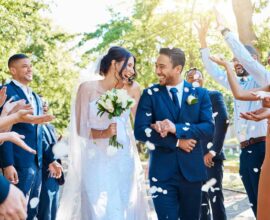
Winter wedding: ideas and tips for an elegant wedding
Winter wedding: everything that makes winter weddings special
Choosing to get married in winter means treating yourself to a wedding with a unique, intimate, and sophisticated atmosphere, featuring refined details, evocative settings, and timeless charm.
Getting married in winter means choosing a different atmosphere, one that is intimate and full of charm. It is the ideal season for anyone dreaming of a sophisticated wedding, away from traditional summer receptions. What makes it so appealing is the magic of the details: the soft light of late afternoon, the softness of velvet, the luxurious feel of silk, and the enveloping scents of resin and citrus. Every element helps create a warm and evocative experience, from the wedding ceremony to the final toast.
For a long time, getting married in winter was considered unconventional, a choice for a select few, discouraged by the cold, shorter days and the presumed lack of organisational flexibility. Today, this perception has changed. Winter weddings are winning over an increasing number of couples precisely because of their unique atmospheres and the many creative possibilities they offer. Indoor spaces are transformed into evocative settings, candles provide warm, enveloping light, while menus showcase authentic flavours and seasonal ingredients. The reception also takes on a different rhythm: more intimate, carefully curated, and personal, it makes room for moments to be enjoyed without rushing and for details that can truly make a difference.
There is another aspect that makes a winter wedding even more special: the way the celebration is experienced. The cold season brings with it a desire to share special moments, gather around a table, and enjoy every moment without rushing. This atmosphere is also reflected in wedding planning, which is often more flexible and offers more opportunities. Venues have greater availability, there is a wider choice of dates, and suppliers, from photographers and florists to caterers and musicians, can devote more time and attention to each project, taking care of every detail.
This translates into greater attention to detail, more room for personalisation and, in many cases, more attractive financial conditions than during the high season. Although this is not an absolute rule, many venues do offer more advantageous rates for accommodation, event spaces and menus. This makes it possible to invest more in what really matters, such as flowers, music or photography, which is also enhanced by the soft light and deep tones of the winter months.
Naturally, a winter wedding requires a different approach from a summer one. It is important to plan timings according to the available daylight, consider guests’ comfort, have a Plan B in case of bad weather, choose outfits suited to the temperatures, and select decorations capable of truly “warming up” the setting. These are all factors that need careful consideration, but each can become an opportunity to make the day even more elegant and memorable.
Whether it is a ceremony among snow-covered mountains, a reception in a historic residence, or a celebration in a seaside destination, a winter wedding can adapt to every style: from the most sophisticated classic look to contemporary minimalism, from romantic to decidedly spectacular.
How to plan a winter wedding: 10 tips for a dream ceremony
Behind every successful winter wedding is a plan drawn up well in advance, with the help of a wedding planner if necessary. Starting with the right decisions, in the right order, helps avoid unexpected problems and allows you to devote your energy to what truly makes the day special. Generally, the process begins with a few fundamental choices, such as the date and destination, which determine the venue, the number of guests and the budget. Only afterwards do you move on to the details of the decorations, outfits, and menu, which take shape more coherently once the basic structure has been established. Working in stages also helps coordinate suppliers and meet deadlines without stress.
1) Plan the schedule around the daylight
In the middle of winter, the sun sets early, so the day’s schedule should be planned around the presence (or absence) of natural light. The ceremony works best in the early afternoon, ideally between 2:30 pm and 3:30 pm, as this makes it possible to take advantage of the brightest hours for the ceremony and the first photographs. The final hours of the afternoon are instead ideal for couple portraits and group photos, when the low-angle light enhances outfits, faces and the landscape, producing shots with warmer tones.
As the sun sets, the atmosphere changes once again, and the aperitif becomes the perfect transition into the evening: soft lighting, candles already lit, and a more intimate setting accompany guests towards the reception. Dinner and dancing can then unfold at a more relaxed pace, without the rush typical of longer days. Agreeing on the schedule with the photographer and wedding planner helps avoid overlapping activities and makes it possible to identify the key moments in advance. Breaks are important too: allowing ten or fifteen minutes between one stage and the next gives the couple and their guests time to warm up, touch up their make-up, and prepare for the next moment, improving everyone’s comfort and the overall atmosphere.
2) The perfect venue for a winter wedding
In winter, the venue really makes a difference, because it needs to be welcoming and functional even during the coldest hours while also offering an impressive setting. When visiting a venue, it is useful to imagine not only what it looks like during the day, but also how it will look at six in the evening, with the lights on, guests seated and service underway. For this reason, it is advisable to arrange an evening visit and ask about heating, capacity, permitted music hours and included services.
Another factor to consider is flexibility. A good winter venue offers several spaces that can be used in sequence, such as a room for the ceremony, a lounge for the aperitif and a space for the reception, creating a natural flow throughout the day and allowing staff to prepare each stage without rushing.
3) The importance of taking care of the organizational details
A cloakroom, blankets, heating in outdoor areas, and clear information for guests travelling from afar are further details that can make all the difference. A brief communication with advice on clothing and weather conditions helps guests prepare in the best possible way.
If the venue does not offer accommodation, it is advisable to provide details of nearby partner properties and consider arranging a shuttle service, especially for the journey back in the evening. Transport arrangements also deserve attention: icy roads or bad weather can make journeys take longer, so it is best to allow plenty of time in the schedule.
4) A Plan B for an outdoor ceremony
For anyone dreaming of a garden or seaside ceremony, it is essential to always have an indoor alternative in case of excessive cold or adverse weather conditions. Plan B should not be seen as a fallback option, but as an integral part of the project: a room that has already been decorated, a glass-enclosed veranda or a heated pavilion can be just as evocative and ensure everyone’s peace of mind.
It is useful to agree in advance with the venue team on when to decide whether to keep the outdoor arrangements or move indoors, avoiding last-minute anxiety. With a little organisation, the minutes spent outdoors will be among the most memorable of the day.
5) Choosing the colour palette and decorations
Colour is the first element that conveys the style of a wedding. In winter, you can dare to use deep, textured shades or opt for luminous, monochromatic elegance. The golden rule is consistency: a palette of two or three main colours, with one or two metallic accents, repeated discreetly throughout all the details, from the invitations to the bouquet arrangement, from the seating plan design to the place cards.
The most elegant shades include ice white, ivory, champagne and pearl grey, perfect for an ethereal, luminous and sophisticated effect. For a warmer, more enveloping atmosphere, burgundy, forest green, midnight blue and deep red work beautifully, paired with gold, silver or copper details that catch the candlelight and add depth to the decorations.
Those who love a more romantic style can opt for shades of powder pink and mauve, while for a contemporary aesthetic, an all-white look with touches of green remains a striking choice. Before deciding, compare the colours with the venue’s actual lighting: the same shade can look very different by day and in the evening.
Last but not least, it is important to make sure that the decorations complement the space without overpowering it. In a room with impressive architectural features, a few carefully selected elements are enough, while in more understated settings, fabrics, drapery, rugs, and large-scale arrangements can create a striking atmosphere. Materials matter too: velvet, heavyweight linen, wood, glass and brushed metals create a typically wintery interplay of textures.
6) Seasonal flowers and candles
The most suitable varieties include roses, anemones, ranunculus, amaryllis and orchids, paired with branches of eucalyptus, pine, fir and berries. For a natural yet striking touch, seasonal elements such as pine cones, sprigs of rosemary, citrus fruits and dried fruit can be added, bringing unexpected fragrances and textures.
Rich, natural arrangements create an impressive effect without becoming overwhelming. For the ceremony, choosing a few statement decorations, such as a floral arch or arrangements along the aisle, is often more effective than distributing flowers everywhere. The bouquet can follow the same principle, with a compact and elegant arrangement, perhaps enhanced with velvet or silk ribbons. Consulting a trusted florist is invaluable, as they will be able to recommend the freshest varieties available during the chosen period.
However, the real star of a winter wedding is light. Candles, lanterns, fairy lights and chandeliers transform every space into a warm and romantic setting, especially for the evening reception. Transitional spaces also deserve attention: carefully illuminated entrances, staircases and corridors make guests feel welcome from the very first moment. If required by the venue, high-quality LED alternatives are available, providing the same effect in complete safety. For the party, it’s possible to opt for lower, more dynamic lighting to accompany the change of pace as the evening unfolds.
7) The couple’s outfits: elegance and comfort
In winter, an outfit is not just a matter of style: it must be beautiful but also practical, because many hours are spent moving between indoor and outdoor spaces, with temperature fluctuations to take into account. The best choice is to focus on fine materials and details that provide warmth without weighing down the silhouette. The advice is to consider the look as a whole, from the hairstyle and make-up to the accessories and footwear. An updo, for example, enhances necklines and fabric details, while luminous, long-lasting make-up stands up well to temperature changes between indoors and outdoors.
8) The wedding dress
Velvet, mikado, crêpe, heavyweight silk and lace with long sleeves are among the most refined choices for a winter bride. Sleeves, whether puffed, bell-shaped or made of sheer lace, give the look a romantic yet practical character, while V-neck, bateau and sweetheart necklines remain timelessly elegant.
On colder days, it is possible to add a shawl, a faux-fur bolero, a coat or an elegant cape, completing the look and creating striking photographs. Shoes should not be overlooked either: a comfortable heel and a non-slip sole may be ideal. Among the most popular accessories are gloves, headbands and jewellery featuring pearls or crystals. It is best to schedule dress fittings with the chosen coat or shawl already selected, to check how they work with the silhouette.
9) The groom and the wedding party
The groom, on the other hand, could opt for a wool, velvet or tweed double-breasted suit in deep shades such as midnight blue, dark green and anthracite grey. A waistcoat adds a touch of class, while a silk tie or bow tie and a pocket square coordinated with the colour palette complete the ensemble. An elegant overcoat and a pair of quality leather shoes provide the finishing touches.
For bridesmaids and witnesses, velvet or satin dresses coordinated with the chosen colour palette are ideal, perhaps in slightly different shades for a harmonious yet unexpected effect that creates a cohesive overall look in photographs.
10) The menu and reception at a winter wedding
The menu, service and atmosphere must work together to create a warm, generous and carefully curated experience that makes guests feel truly pampered. The starting point is always the choice of chef or catering service, with a request to personalise the offerings according to the couple’s tastes and guests’ dietary requirements, such as intolerances and vegetarian or vegan options.
Winter is also a season that offers a wide variety of rich and comforting ingredients: pumpkin, truffles, mushrooms, chestnuts, radicchio and citrus fruits are just some of the most popular and versatile options, which can be used in a wide range of recipes. A carefully planned menu can tell the story of the local area and showcase seasonal ingredients: it can begin with a light, refined vegetable-based starter, continue with a warm and comforting first course, such as a risotto or filled pasta, and move on to a meat or fish main course accompanied by seasonal side dishes. For a touch of originality, the couple can include a dish connected to their roots or personal memories, turning the menu into a little story to share.
For the wedding cake cutting, it is worth focusing on winter flavours such as chocolate, hazelnut, spices and caramelised fruit or, for a fresher and lighter version, citrus fruits and fresh cheeses, which can be used in delicious creams and fillings.
Forte Village Resort: the perfect venue for an unforgettable wedding in Sardinia
Forte Village Resort, located on the southern coast of Sardinia in Santa Margherita di Pula, offers a dedicated service for those wishing to spend a truly special day in an elegant setting, carefully curated down to the smallest detail. The resort extends across approximately 50 hectares of lush gardens overlooking the sea: in this paradisiacal setting, every moment of the day can find its perfect place. Thanks to temperatures that are milder than those elsewhere on the Italian mainland, the ceremony can still take place outdoors, while for the evening reception couples can choose the refined indoor spaces, which can be decorated with candles, fine fabrics and seasonal floral arrangements.
The wedding team accompanies couples through every stage of wedding planning, from choosing the style of the ceremony and reception to make-up and hairstyling. Each project is tailor-made according to the couple’s style, wishes and number of guests, creating an experience in which hospitality and attention to detail allow the couple to focus solely on the emotion and pleasure of sharing the occasion.
Another of the resort’s strengths is the possibility of bringing everything together in one place. The ceremony, reception and guests’ accommodation all take place within the same property, which offers hotels, suites, bungalows and villas to welcome couples, families and groups of guests, reducing travel and unexpected complications.
The dining experience also helps make the occasion unforgettable: the variety of Michelin-starred restaurants and gourmet culinary offerings makes it possible to create a menu that showcases the flavours of Italian and Sardinian cuisine alongside international offerings. Completing the experience are the wellness services and spa, which give the couple and their guests the opportunity to enjoy precious moments of relaxation before or after the big day.
For more information about the services dedicated to wedding planning or to arrange a stay at Forte Village, contact +39 0709218818 or send an email to holiday@fortevillage.com.
Would you like to organise an unforgettable wedding and enjoy a fairytale holiday in a true paradise? Discover Forte Village Resort in Sardinia