Back stretching: how to release muscle tension and improve posture
Back stretching: how to practice it correctly and what benefits
Practicing back stretching exercises correctly improves posture, mobility and flexibility, reducing muscle tension and stiffness. Regular practice promotes overall well-being, helps prevent back pain and makes daily motion easier.
The back often suffers from the intense pace of daily life, accumulating tension and stiffness resulting from poor posture, stress, a sedentary lifestyle or repetitive unnatural movements. Over time, this can limit motion ability and negatively impact overall physical well-being.
Back stretching represents a key practice to prevent this: it quickly relieves the sense of stiffness, promotes greater body awareness, improves postural balance and strengthens the mind-body connection. Just a few minutes of consistent exercise can be a lasting investment in your physical and mental health.
Regularly integrating simple stretching exercises also helps prevent chronic tension, reduce the risk of lower back and back pain, and support a balanced and harmonious posture, thus making the spine more resilient over time and ready to sustain everyday’s demands.
5 benefits of back stretching that could change your daily routine for the better
Before delving into the practical aspects, it’s helpful to remember that stretching benefits go far beyond just relaxing muscles. When practiced regularly and carefully, stretching becomes a comprehensive training for daily well-being: it helps maintain a healthy back, reduces the risk of stiffness and contractures, yet promotes a balanced and natural posture.
1. Reduced muscle tension
Back stretching works deeply on muscle fibers, which due to poor posture, stress, sedentary lifestyle or unnatural motion often tend to stiffen, significantly limiting freedom of movement and causing pain or discomfort throughout the whole dorsal and lumbar areas, negatively affecting also shoulders, neck and pelvis.
Through slow, controlled and conscious practice, para-vertebral muscles, postural bundles and posterior muscle chains get progressively lengthened, promoting the natural release of contractures and improving local microcirculation, thus helping to nourish and oxygenate tissues, accelerating muscle recovery and generating an immediate sensation of lightness and physical relief, especially after hours spent in static positions or in activities that overload spine.
Furthermore, back stretching stimulates the natural production of endorphins and other neurochemicals that support the reduction of muscle tension, for a dual and combined physical-psychological effect of deep relaxation and wellness.
2. Improved posture
Regular back stretching exercises significantly contribute rebalancing tension between antagonistic muscle groups, improving overall body posture and preventing the onset of incorrect physical curvatures. These include excessive dorsal kyphosis or a forward-leaning neck, often seen in those who work long hours in front of a computer or maintain prolonged static postures.
Targeted stretching on lumbar, lats, trapezius, back deltoids and hip flexors facilitates a natural realignment of spine, supporting a more stable, harmonious and coordinated posture. Regular stretching strengthens deep core muscles, which are important for supporting spine on daily action and maintaining correct posture effortlessly. This reduces stress over joints and allows for greater fluidity, balance and ease.
3. Increased joint mobility
Back stretching lengthens superficial muscles and directly affects vertebral joints, small inter-vertebral joints and fascial chains that connect the spine to lower and upper limbs. This combined action stimulates a progressive increase in motion capacity, improving spinal flexibility and making everyday movements fluid and natural, from bending to pick up objects to lifting weights or twisting trunk on daily activities.
Greater joint mobility also helps distribute loads more evenly across the spine, preventing harmful compensations, micro-traumas and chronic stiffness that can arise when mobility is poor. This creates an optimal balance of spinal strength, elasticity and stability, increasing the back’s resilience to sudden stress or unexpected strain.
4. Back pain prevention
Including back stretching exercises into your daily routine is an extremely effective preventative strategy for lower back, upper back and neck pain, often caused by imbalances between weak and contracted muscles, prolonged poor posture and irregular physical activity. Targeted stretching over primary and secondary postural muscles, combined with deep and conscious breathing, can rebalance the distribution of loads along the spine, thus reducing overload, compression and localized tension.
Over time, stretching becomes a preventative means, capable of reducing the risk of episodes of lower back pain and back pain, or chronic contractures, setting a solid physical foundation for a more resilient spine, less prone to pain, even after daily physical stress or intense activity.
5. Mind-body connection for a psychophysical well-being
Beyond the mere physical benefits, back stretching plays a fundamental role in improving your mind-body connection, as this practice stimulates the parasympathetic nervous system and promotes deep relaxation and the reduction of psychophysical tension. Coordinating breathing with stretching moves amplifies this calming effect, giving life to a ritual that improves mobility and posture, but also the feeling of overall well-being.
Stretching, therefore, becomes an integrative practice for body mindfulness, helping to recognize local tension, reduce anxiety and mental fatigue, and eventually turn the stretching physical practice into a regenerating and therapeutic moment, stimulating a general sense of bodily lightness and harmony.
5 back stretching exercises: a few simple actions to perform at home
Performing stretching, gradually and carefully, effectively promotes muscle relaxation, improves spinal mobility and prevents tension that tends to build up throughout the day.
Here are five back stretching exercises that can be performed comfortably at home.
1. Cat-Cow Stretch
This seemingly simple exercise is one of the most effective movements for progressively making the entire spine more fluid in motion, as it alternates flexion and extension, harmoniously stimulating both deep back and abdominal muscles.
Starting on quadrupedalism, with hands under your shoulders and knees under your hips, let the belly drop downward while lifting the gaze, then reverse the movement by rounding the back upward and bringing chin to chest, creating a spinal wave that reduces stiffness, improves local circulation and prepares the body for a deeper stretch next.
2. Seated Twist Stretch
Twisting is one of the most popular exercises for releasing tension in dorsal and lumbar areas, as it simultaneously works on both lateral and para-vertebral muscles.
Sitting on the floor with the back straight, cross one leg over the other and slowly rotate your torso toward the side of the bent leg, using the opposite arm as a lever. Holding this position slowly, for as many deep breaths as possible, promotes the gradual release of stiffness and a feeling of spinal decompression up to down.
3. Child’s Pose
The most restorative pose, ideal for stretching the entire back length: starting on your knees, rest your buttocks on heels and extend your arms forward, allowing your forehead to drop toward the floor. This pose, if performed slowly and held for a few minutes, allows lumbar and dorsal muscles to spontaneously relax, then improving tissue elasticity and promoting a sense of profound calm and postural reset.
4. Hip Flexor Stretch
Taking a few minutes for stretching your hip flexors is key for overall spinal health, as excessive shortening contribute to increased lumbar lordosis and potential lower back pain. In a lunge, with one leg forward and the other bent on the floor, gently push pelvis forward while keeping torso upright, to feel a stretch along front thigh and groin, restoring fundamental localized muscle balance.
5. Lower Back Wall Stretch
Lying supine with legs resting against the wall and the pelvis close to it, it allows your lower back muscles to relax effortlessly, while gravity helps relax the deep muscles. Holding this position for a few minutes promotes overall relaxation and improved bodily tissue drainage.
Basic tips to perform back stretching at home correctly
Before dedicating yourself to back stretching, it’s important to understand that the effectiveness of the practice depends on the quality of execution, attention to breathing, the environment in which they are performed and the ability to listen to your body capacity without forcing it. For this reason, following a few practical tips amplifies the results, but also makes this training routine safer, more enjoyable and truly transformative.
Coordinate breathing and motion in each phase of the exercise
Inhaling on the preparation and exhaling on the stretch allows tissues to gradually relax, reducing muscular resistance and facilitating a deeper and safer stretch effect. Slow, diaphragmatic and regular breathing activates the parasympathetic nervous system, generating a feeling of general calm that promotes tension release and makes each move fluid, controlled and conscious.
Avoid any kind of forcing or bouncing
Stretching movement must be continuous, smooth, controlled: pushing yourself beyond your limits, bouncing in the hope of quickly “increasing” the stretch, or maintaining a misaligned posture can be dangerous for para-vertebral muscles, strain the spine, thus compromise proper execution. Working within a comfortable range allows for safe progress, creating lasting flexibility and improved body awareness.
Hold each position long enough for muscles to “give up”
Holding the stretch for at least 20-30 seconds helps the muscular system adapt to such stimuli, promoting a gradual release of tension. In tighter areas, holding the position for even 45-60 seconds can be helpful for a deeper stretch, as long as your breathing keeps constant and you don’t feel any discomfort. It’s precisely in this slow and patient phase that stretching becomes truly therapeutic.
Use supports to reduce loads on lower back
Using simple tools like pillows, rolled blankets or yoga mats allows to adapt the position to your needs, support pelvis, knees or chest and avoid compensations that could further stiffen your spine. These supports, far from being just a “beginner’s” aid, are a valuable equipment for making stretching safer, more effective and personalized, too.
Choose a calm and distraction-less environment with pleasant temperature
The quality of your environment directly affects the ability to relax and concentrate: a tidy, quiet room, with a slightly warm temperature, promotes improved muscle elasticity and helps you better perceive every sensation throughout your body.
Alternate dynamic exercises with static poses
Combining fluid and rhythmic motion, such as Cat-Cow, with sustained stretches, such as Child’s Pose, shapes an ideal balance between joint mobility and muscle elasticity; this alternation helps spine to move smoothly in all directions, reduces stiffness and prepares the body for harmonious daily movement.
Repeat stretching routine consistently, even just a few minutes a day
Consistency is the real secret to achieve great results: only 10-15 minutes of back stretching daily are much more effective than long, sporadic sessions, as they allow muscles to maintain a good level of elasticity and spine to stay mobile and protected over time. Consistency, thus, turns stretching into a true wellness habit, easily integrated as part of your daily life.
However, for those doubtful on where to start, suffering from chronic pain or experiencing persistent stiffness and tension, the best advice is certainly to rely on a specialized center, where qualified professionals can assess posture, identify any imbalances or compensations, correct movements and create a personalized program that makes stretching effective, safe and sustainable for everybody.
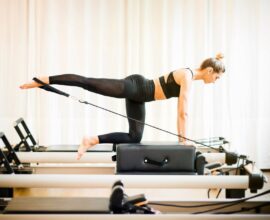
A useful approach to this is a discipline like Light Pilates, one of the most popular in Forte Village’s sports academies, located in Santa Margherita di Pula. This practice promotes improved posture, muscle lengthening and the reduction of any tension and discomfort.
Light Pilates at Forte Village Resort: the optimal training to reduce muscle tension and improve your posture
One of the top wellness and postural prevention facilities is the Forte Village Resort, a stunning five-star tourist property located near some of Sardinia’s most beautiful beaches, which stands out for its comprehensive offerings that combine motion techniques, targeted training programs and individual support. Light Pilates sessions, in particular, are designed to lengthen and strengthen postural muscles, improve spinal mobility and promote the natural posture realignment, while integrating targeted exercises, controlled breathing and fluid motion to relieve psychophysical tension.
In addition to light Pilates, Forte Village’s wellness offerings for mind and body extend to the effective thalassotherapy programs at the Acquaforte Thalasso & Spa, Ayurvedic massages performed by specialized instructors and a wide range of medical-aesthetic treatments, including biorevitalization for a more radiant skin and the innovative PRX-T33 peel, a program that aims at rejuvenating facial tissue without distorting its natural features.
For further information on Light Pilates and the other postural training programs offered by the Resort, or for booking a stay at the Forte Village Resort, please call to +390709218818 or send an email to holiday@fortevillage.com.
Do you want to spend a dream vacation in a true paradise and discover the incredible benefits of Light Pilates? Book your stay at Forte Village Resort in Sardinia